

You know, sometimes I notice that there is a certain paradox of modernity. What does it consist of? The algorithm of streaming platforms has turned art into a race for attention. The first fifteen seconds decide everything, and what comes next? Next comes art. The band The Ingrid appeared as an antithesis to modern realities.
Their music is a space where silence and pauses have decisive importance, and through the prism of nostalgia they show reality. Born in the isolation of the lockdown, the band turned the experience of anxiety and uncertainty into their strength. And now The Ingrid are consciously building an alternative model of existence. In a conversation with us, the band members – Josh, Jess, Will – reflect on how to create music for a listener who is ready to wait, how to translate a cinematic atmosphere into sound, and why true resistance to the system begins with simply doing your job.
Welcome to the world of The Ingrid, where art still lives by its own rules!
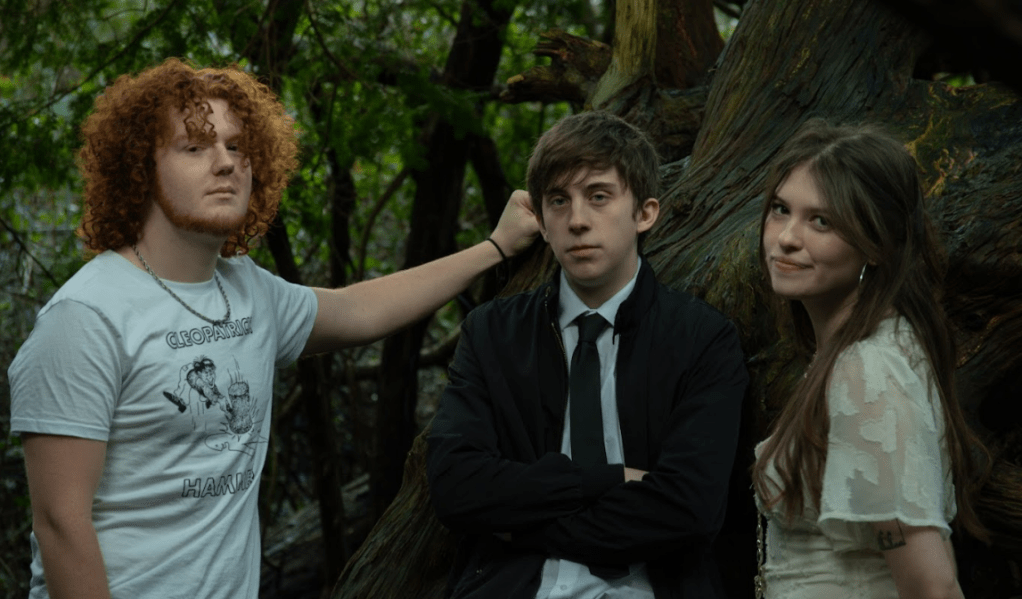
Hello, The Ingrid! Thank you for agreeing to speak with Soundville. For many readers, this interview will be their first introduction to The Ingrid. Please tell us about the band: how you started, what kind of music you create, and what ideas are at the core of your work?
(Josh) Hey! We’re a band that formed in Uni, all being from different courses but just wanting to play music. We hit it off as soon as we met, and the songs flowed after.
(Jess) The songs from our current body of work focus on nostalgia, and reflection as opposed to being about an event itself!
(Will) Yes! We create a blend of different genres as we incorporate shoegaze, indie, and psychedelic which we believe is a unique quality to our music.
How has your creative process evolved from “Limerence,” your debut single, to “Mother”? What lessons from working on “Limerence” influenced the creation of your second track?
(Josh) Mother was actually developed before limerence, But we really developed our communication skills within sessions. We all got to really know what each other were thinking and where we each thought the song needed to go.
(Jess) Yeah I think the way in which we wrote changed a lot from when we started the band so once we had developed Limerence we went back to Mother and reworked it.
How do the diverse backgrounds of band members shape The Ingrid’s sound?
(Jess) I would have to say we have all grown up differently in regards to our musical experience and taste and one thing that makes The Ingrid unique is the fact we are a blend of these experiences and taste.
(Josh) Exactly, our diverse backgrounds are everything for our sound. We all grew up from different tastes in music so it’s all in there, from classic rock to film soundtrack to Shoegaze!
(Will) Yes I think they help us consider different perspectives and angles to consider and go down, whilst also giving each one of us our own time to shine, as a collective.
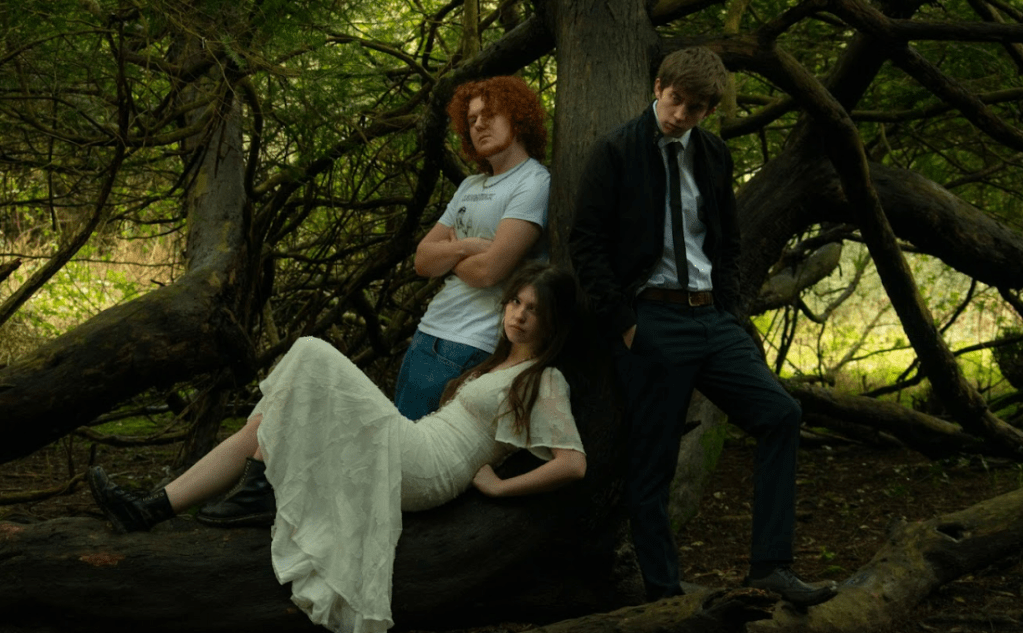
The Ingrid Collective is an ambitious concept. How does this network function in practice? Are there concrete examples of collaborations that wouldn’t have materialized without this structure?
(Josh) It works as a way to get the names of artists and people we work with out there, that sort of thing is invaluable these days.
(Jess) I would have to say it’s definitely increased the amount of different artists we work with (see our work with Emma Avent, Sophie Penn and Sally Connelly). It’s made us branch out more and feel more connected to the arts than anything else.
(Will) The ingrid collective lives up to our expectations as we try to promote our musical collaborators, whilst also providing our photographers/editors and album cover designers in the ingrid collective.
You openly critique the “bloated and unfair” music industry. What specific changes would you like to see, and how does your group embody an alternative model?
(Josh) A big part of it is the way artists and art are put on the back-burner in favour of corporate entities, that needs to change.
(Will) Yeah we would love to see more power given back to artists as corporate entities plus ticket vendors dominate and control the industry, we would also like to see how artists and creatives alike can unite under one cause.
(Jess) I believe we embody something different as we truly put the art before anything else (though of course, one must be in the machine to cause any disruption). The creatives we work with don’t just fade into the background, they become part of the collective.
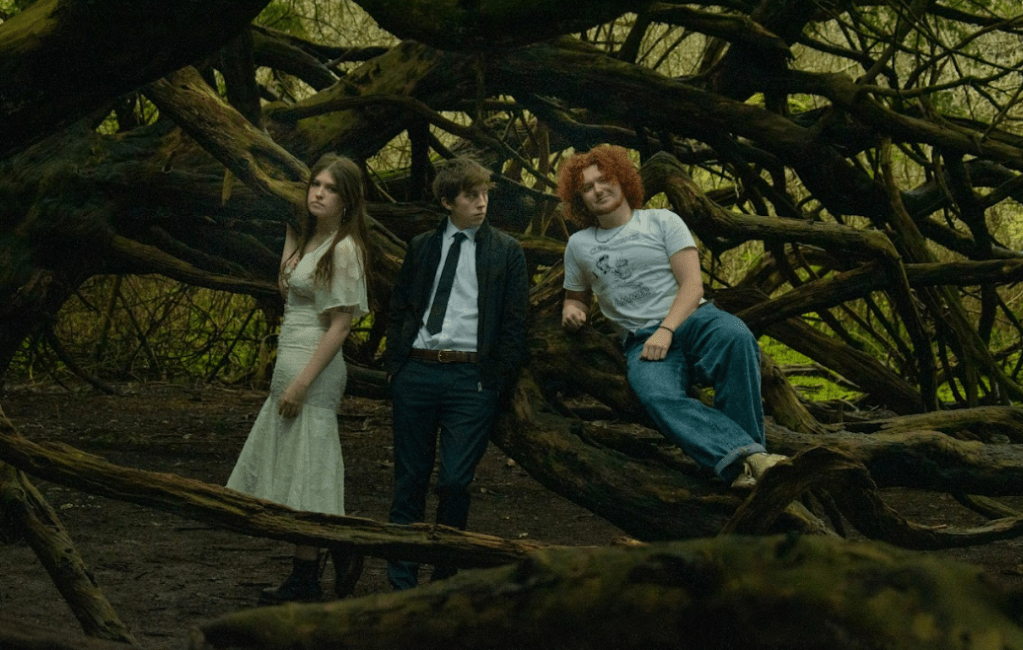
You began making music during lockdown as school students, processing “experience, fear and anxiety .” How has that period shaped the music you create now?
(Jess) I started releasing some songs on Soundcloud in late 2019 early 2020 and then branched out into releasing music elsewhere and using a DAW (not just voice notes!). This has infinitely shaped the way I approach music now as I feel very secure in the fact I have a style of writing that feels like me. For example, a choral outro.
(Will) In terms of the band, maybe at the start our lockdown experiences this played more of a role in the how we create music, but after some time we started breaking out of those feelings and have now overcome them – they are more integrated now.
Where does the initial impulse come from when writing lyrics or composing music?
(Josh) For drums I think of the song as a story, and then the drum beats become the story beats, which rises with the emotion. I love the way something sounds when it builds.
(Jess) I genuinely will just get almost like an itch to write a song. When I feel something, good or bad, my first instinct is to go to the guitar or keyboard and just write whatever comes to mind. I’ll develop it from there.
(Will) For me the impulse can come from anywhere. It could be a random melody that we’ve heard in our heads and we build from that or it could be from a random 3 am music session that create some crazy cool sounds.
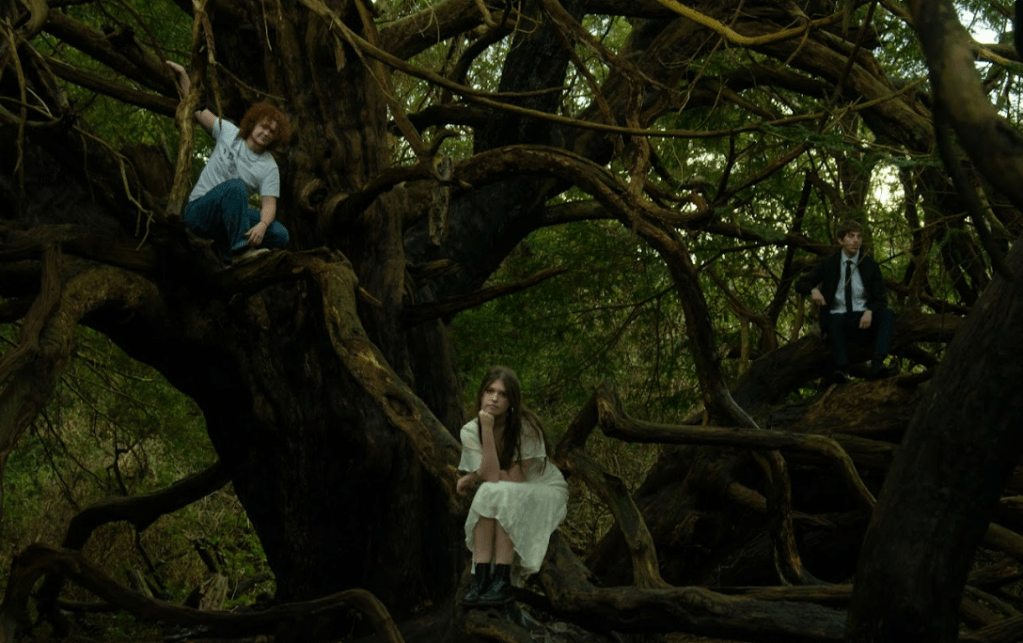
You consciously embrace ambiguity and emotional complexity in an era when Spotify and TikTok reward the first 15 seconds of a song. How do you cultivate relationships with your audience, given that your music invites reflection rather than immediate consumption?
(Jess) I think immediate consumption and quiet reflection are just opposite sides of the same coin. I know when I’m scrolling I can come across a 15 second clip and it’ll be playing in my head for the next hour so much so I’ll go and listen to the full experience.
(Josh) We have songs that we hope draw people in, and invite them to listen for more than 15 seconds. That way we actually can cultivate relationships.
(Will) I think that a great song is a great song no matter how short people’s attention spans are. Creating this kind of music is at the core of what the ingrid strives for, although that is not denying finding an audience that takes the time to listen and appreciate great songs hasn’t gotten harder with the current algorithm based world.
“Mother” has a cinematic quality. The song unfolds in real time, with pauses and moments of silence. How do you translate narrative techniques from film into song structure without a visual component?
(Josh) As a film-maker, I sometimes visualise the music videos of the song that I would want to make for a song and then compose my drums over that. Jess has a really good sense of narrative in her lyrics as well which helps paint a clear picture for me.
After two singles, what’s your strategy moving forward? Are you planning an EP or album, or are you intentionally choosing the single-release format?
(Jess) We aren’t giving too much away right now but we can tell you that we are currently working on a bigger project.



 SoundVille ~ Music reviews, Interviews and Podcast .V.