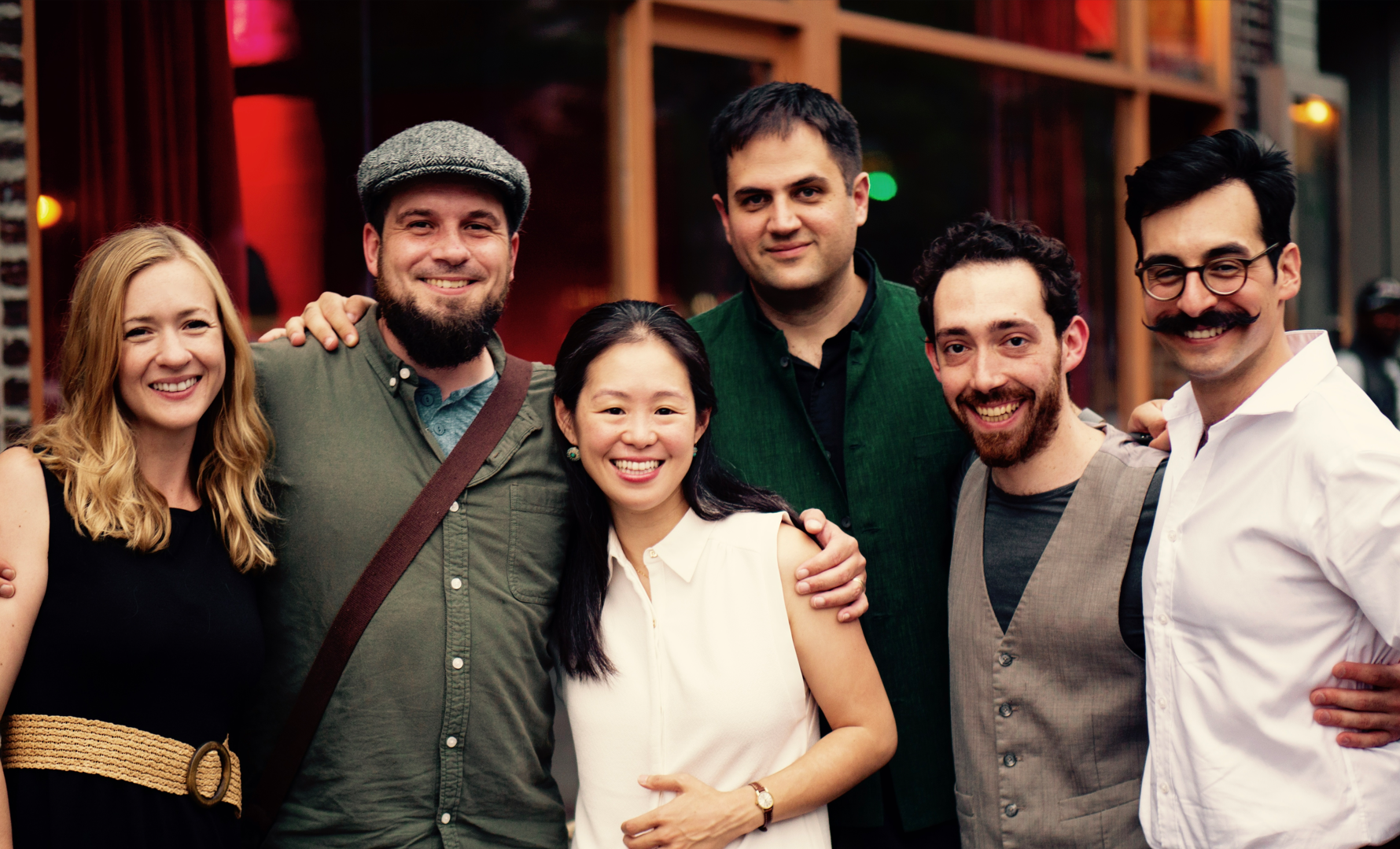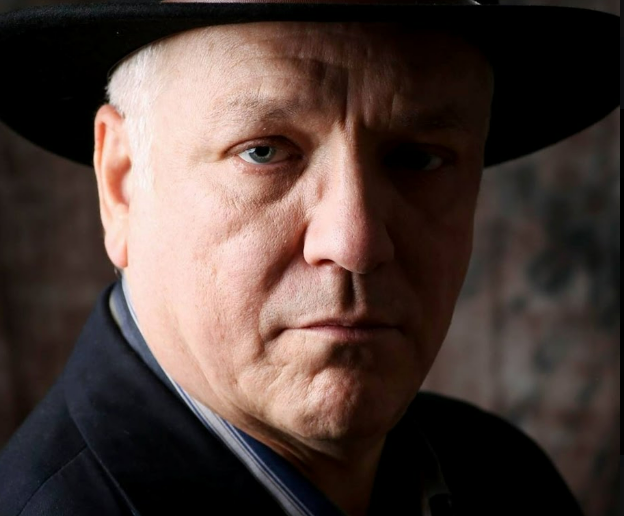

Property development and songwriting occupy equal space in Paul Stone’s working life. The Yorkshire musician runs businesses, raises four children and records with six trusted players in a professional studio beneath his family home. That room gave The Basement Collective its name and its working method: musicians playing together, reacting in real time and allowing spontaneous details to enter the finished recording. After studying at Leeds College of Music, Stone spent almost a decade concentrating on family and business. Those years now supply his songs with adult stakes: friendship, responsibility, illness, recovery and the daily work of showing up for other people.
The latest single, “Brother,” grew from the Stage 4 melanoma diagnosis of one of Stone’s closest friends, who has since made a remarkable recovery. Its defining line, “I can be there if you let me,” places permission at the heart of care, offering support while leaving the friend room to accept it on his own terms. During a microphone check, Stone’s young daughter added an unexpected backing vocal that remained in the recording, bringing family life directly into a song about human connection.
Stone’s music has already earned support from BBC Radio 2 and Jazz FM, appeared on NBC’s The Blacklist and accompanied the Tour de Yorkshire through an official theme. A meeting with Diane Warren in Los Angeles strengthened his belief that he belonged in music, while the studio beneath his home gave that belief a permanent address. In this interview, Stone discusses the friend behind “Brother,” the chemistry of The Basement Collective, the years spent balancing music with family and business, and the patient construction of a catalogue designed to endure.
Hi Paul, thanks for making the time. Let’s begin with the person at the centre of Brother. When your friend first heard the finished track, what did he say?
I wanted him to be the first to hear it before I sent it off to mastering and he really liked it, I’d previously invited him down to the studio too. I was a little nervous as I knew how personal this was between us. We both felt it could do some good out there as a positive story of hope to many others.
The title carries a strong emotional claim. Calling someone a brother speaks of a bond built through shared years, difficult calls and the moments when showing up matters most. What has this friendship taught you about loyalty?
We’ve worked together on the building site for years. He’s always been my rock and stability as an older brother. We’re incredibly loyal to each other and have always been like family. Loyalty is incredibly important to me.
Brother deals with serious illness, yet the song moves toward encouragement. Finding that balance can be difficult because optimism has to sound earned. Which lyric gave you the clearest indication that the song had found the right tone?
‘I will be standing right beside you, on this Long Road ahead’. I think this sentiment is the heart of the song for me.
I’d love to get inside the recording itself. Picture the band back in the basement on the day the track came together. Which moment from that session would you take us back to?
Sonically the kit. Steve sounded awesome and played so free yet lively. Jamie arranged the song and dropped in this guitar lick which put us all back in time to a period of music where feel outweighed perfection and production. The day itself was such a vibe although I did burn the Jacket potatoes for lunch. You can actually see footage from the tracking day over on the Instagram page itself.
You run businesses, raise four children and lead a six-piece musical project. Your calendar must require ruthless choices. What currently earns a firm place in your week as “music time”?
That’s the thing with music you can’t force it and the minute you overthink it there’s nothing there. Jamie’s over next week and we’re mapping out a few new songs I’ve written and really like.
There is an interesting tension in being both the songwriter and the person who built the room where everybody records. Once the musicians arrive, how easily do you give up control of your original arrangement?
I think that’s what the basement collective is all about. The song will always be the song but what the guys bring to the table is energy, perspective and real musicianship. These guys are all mega players in their own right and true professionals. It’s going to be exciting when we build on the live front.
Jazz sits inside the project’s musical vocabulary, while the songs remain direct and accessible. Which jazz musician first changed the way you listened to songwriting?
I’m struggling to identify just one, the greats out there all collaborate somehow to create a feeling and an unmistakable energy. I think it’s so important to remember that behind any songwriter there are exceptional musicians that add flavours to the pot. This is what music is all about to me. You don’t need a ‘sound’ you need a human Vibe. Jazz has its own identity in many layers!
You have already seen your work travel through radio, television and a major Yorkshire sporting event. Public recognition can arrive in impressive forms, while confidence often changes through quieter experiences. Which response to your music has stayed with you longest?
I have to say what we’re doing now feels incredible, it’s real and feels timeless knowing that the studio is there ready to capture and create. For one moment I still go back to meeting Diane Warren in LA who called me ‘the artist’. That’s was a very strong moment which sparked an inner drive in me to make things happen.
Your career developed through several chapters, and the current one has been built with far greater life experience behind it. What ambition from your younger years still survives intact today?
I still want to see the world through music, it was always a thing for me. Paul Simons album ‘the Rhythm of the Saints’ is a bit of a wish list. To be able to capture moments from travelling and tonwrite/record about that journey would be an adventure with the guys. Not sure that’s realistic now but still a nice idea. I’m incredibly blessed with an amazing family and now want to show my children that you must follow your heart and do what makes you tick.
Several completed songs are waiting beyond Brother, so listeners are entering a project with real momentum behind it. After hearing this single, what should they expect to discover next about Paul Stone & The Basement Collective?
Expect songs with purpose and deep meaning. ‘The Helping Man’ a song inspired by how we make choices when times are tough. ‘Little Bird’ a lovely song telling my children to ‘Fly high and land when you need to’. Every song has a connection to real life for me, some are hard to write but being authentic is my priority.