
Anyone who has watched American television after midnight knows the scene: a smiling couple strolls through a park while a calm voice lists side effects fast enough to qualify as percussion. Queen Aster heard a country-rock song inside that strange little performance. Set for release on September 18, Medication answers polished reassurance with honky-tonk swing, bluesy guitar and a flash of punk irritation. The premise earns a laugh; the desire for relief gives the joke its sting.
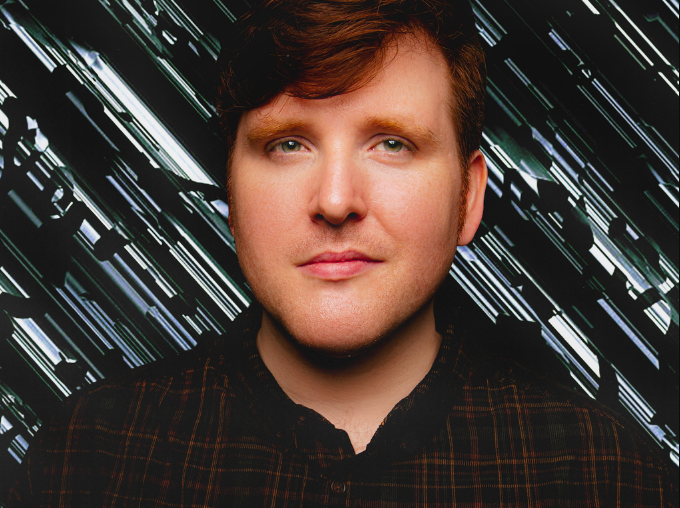
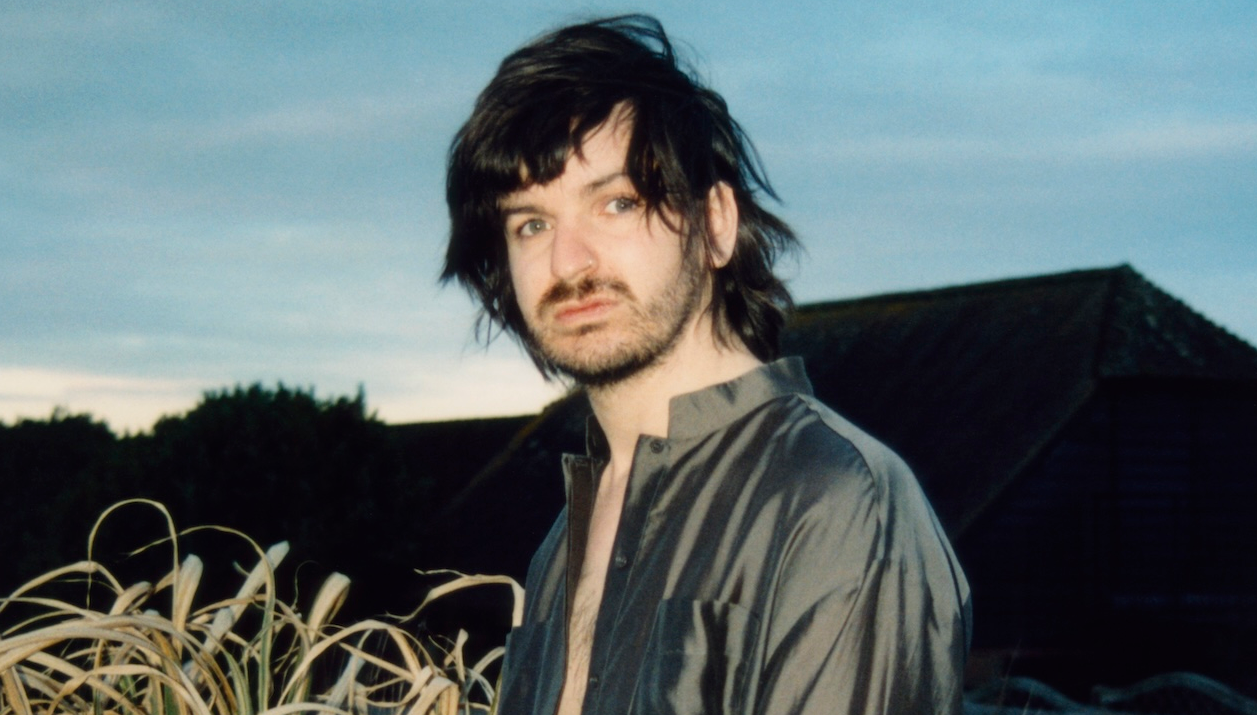
The Kentucky duo brings together singer-songwriter and filmmaker Elizabeth Maines with multi-instrumentalist and film composer Justin Miller. Their forthcoming debut album, Strange Dream, draws on American music and the stories people build around it. Medication offers a sharp introduction to their method: begin with a familiar image, turn it a few degrees and watch the discomfort come into focus. Recorded with Jason Groves at Sneak Attack Records in Lexington, the single arrives ahead of Queen Aster’s debut album. We spoke with Maines and Miller before its September 18 release.
Hi Elizabeth and Justin! Medication finds comedy inside an experience that can be exhausting, frightening and isolating. At what point did humor become the right language for this song, and which emotions became accessible once you allowed yourselves to laugh?
Liz: Honestly, I usually don’t have a game plan when I write. Something inspires me, it clicks, and it feels like I’m plucking a song out of the air. I didn’t set out to put humor into this one.
I have familial Mediterranean fever, or FMF, a genetic autoinflammatory condition, and I’ve been chronically ill since childhood. I wrote “Medication” as a teenager, when I was undiagnosed, looking for answers, and dealing with a lot of dismissal from doctors. Navigating the medical system in the US gave me plenty to work with.
I think a lot of people with chronic health issues use humor to get through it. Even to us, our reality can sound absurd. When you’re able to laugh, you’re not just grieving what you’re unable to do.
Justin: When I first heard the song, I immediately got the sentiment of smiling through pain and frustration. It’s something all of us do and it helps us keep moving with feelings of defiance and empowerment.
Pharmaceutical advertising often presents health as a bright, orderly world where every problem has a marketable solution. Which details from that language entered the writing of Medication, and how did you transform them into something personal?
Liz: All that cheerfulness reads so false to me. I had this image of someone in one of those commercials gritting their teeth and pretending everything was fine when it wasn’t. That person became the voice of the song. They’re wanting answers and relief, like I was, but doing it with this ridiculous smile. It’s a satirical “I’m fine.”
The song carries country-rock swagger while its narrator is searching for relief and stability. How did you shape that relationship between the confidence of the performance and the vulnerability of its subject?
Liz: Vocally, I just sang it how I felt it. Justin has this great swaggering, off-kilter way of playing that captures feeling off, feeling wrong. But it also feels oddly candy-coated. I think the rawness of the recording lets you hear the vulnerability underneath that.
Justin: I tried to play aggressively to give the song a sense of frustration. We chose sounds that were harsh and some that were soothing to give that feeling of trying to remain calm through pain.
When you brought Medication into Sneak Attack Records, which part of the song already had its final identity, and which part changed most through your work with Jason Groves?
Liz: We already had a pretty clear sense of the song before recording. Working with Jason opened up what we could do with the arrangement. He encouraged us to play a lot, and I think those little things we tried really made the recording.
Justin: The main attitude was there, but Jason really gave us space to experiment with this song and try a lot of different sounds. I was able to play and add things like clave, bongos and some Wurlitzer piano because he’s so good at making sure those things fit right where they need to be in the mix. He made the song sound huge.
A debut album establishes the first full picture of an artist, yet Strange Dream changes shape across its songs. How did you decide which contrasts strengthened the record and which ideas belonged to a future Queen Aster project?
Liz: I’ve always thought of it as an anthology of Americana through a darker lens. I took some inspiration from The Ballad of Buster Scruggs: all these different characters and stories that still feel like they belong together. The title track is essentially a Southern backwoods adaptation of Romeo and Juliet, so we’re going somewhere pretty different from “Medication.”
A lot of the people on this album are disillusioned, lost, and frustrated. The songs can sound different and still share that feeling. We have more optimistic songs that just didn’t belong here. I originally considered calling the album A Southern Gothic, and at one point An American Gothic. It didn’t quite feel right as a title. But as far as a theme, that’s it.
Justin: After working on this album for several years, we learned how to feel out when songs are complete and when they need more development. The few songs we didn’t use weren’t ready yet, but we’re excited to get to work on them!
Elizabeth, your experience in film art departments involved building visual worlds around somebody else’s story. How has becoming the central storyteller changed your relationship with detail, control and exposure?
Liz: It’s funny, but I still feel like I’m serving a story, even when it’s one I’ve created. It’s almost parental. I’m helping these songs exist and figuring out what they need. I work intuitively, and I have a strong sense of when something feels right for the song.
A lot of these songs already had images and stories attached to them in my head. We shot the “River/Ocean” video on a road trip across the US, with me playing a roaming cowboy in a pink-ass fringed western suit inspired by Judas in Jesus Christ Superstar. We filmed in the Grand Canyon, and I’m terrified of heights. I also swam in the damn ocean in a dress—which, by the way, is HARD TO DO. I’m planning a visual piece for each track on the record.
When we first started, I felt incredibly vulnerable. But I’ve grown a lot through making this, and I’m no longer worried about exposing myself. I’m just focused on making the ideas a reality. Whatever comes of it after that is all gravy.
Justin, film scoring often requires music to serve an image, a scene or a director’s intention. When writing with Queen Aster, how do you recognize the moment when atmosphere begins serving the song itself?
Justin: When I score a film, I start with considering what sounds I’ll be using. I record myself playing lots of instruments in different ways until I find the sounds that support the scene without getting in the way. With Queen Aster, I think of all the ways the song can be presented, then I throw out ideas to Liz. Most of the time, she likes the first thing I suggest because we’re so simpatico. Once we start recording, we can see the whole picture and decide what we need to add or take away until the atmosphere is perfect.
As a duo whose live form can expand, how does the arrival of additional musicians alter the balance of authority inside the music? Where does interpretation end and authorship begin?
Liz: We have a good circle of musicians who are game to play with us for larger venues. They each bring their own talent while respecting the source material. Justin and I write the songs and guide the arrangements, and the musicians joining us bring their own expression to those parts.
American music carries beauty alongside histories of violence, ownership and mythmaking. What responsibility comes with drawing from those traditions, and how do you decide which parts deserve preservation, confrontation or reinvention?
Liz: I love where I’m from, and I think that comes with being honest about it. I had a weird epiphany while living in California about how much my Kentucky upbringing had shaped my thinking, good and bad. Being somewhere so culturally different made me recognize the expectations I’d grown up with, especially as a woman.
This album unpacks a lot of those feelings and experiences. Some of the stories come from women in my family, so there’s a heavy female perspective. I wanted to look at those expectations and the harm they can cause. But I try to present the people in the songs without judging them.
Justin: We all have a responsibility to our ancestors to preserve the good things they handed down and a responsibility to the people of the future to document the problems along the way. We’re confronting the problems in our lives in the lyrics, but the music is supporting all that with the love of our art and culture.
Artists often turn pain into material and then perform it repeatedly after their relationship with that pain has changed. When a song outlives the person who wrote it, who should hold authority over its meaning: the artist, the audience or the version of the self preserved inside the recording?
Justin: Everyone should feel free to interpret art in any way they want, but you should always look into the artist’s original intention. That’s why music journalism is so important. Interviews like this give us a chance to explain ourselves to the people who care about the meaning.
Liz: I see this differently. These songs come from my life, and I have personal stories behind all of them. But once a song’s out there, I want people to take their own meaning from it. Sometimes I write with intentional ambiguity so a listener can fill in the blanks.
People have told me a song sounds like a breakup or a struggle with a lover, and my own story behind it is completely different. I love that. One of my songs can take on a million different lives outside of me.
I have a deep love of folk and traditional music that’s been passed down and rewritten for generations, many with the authors long forgotten. Those songs are still here because they connected so deeply with people. I could only hope to write something that lasts that way.