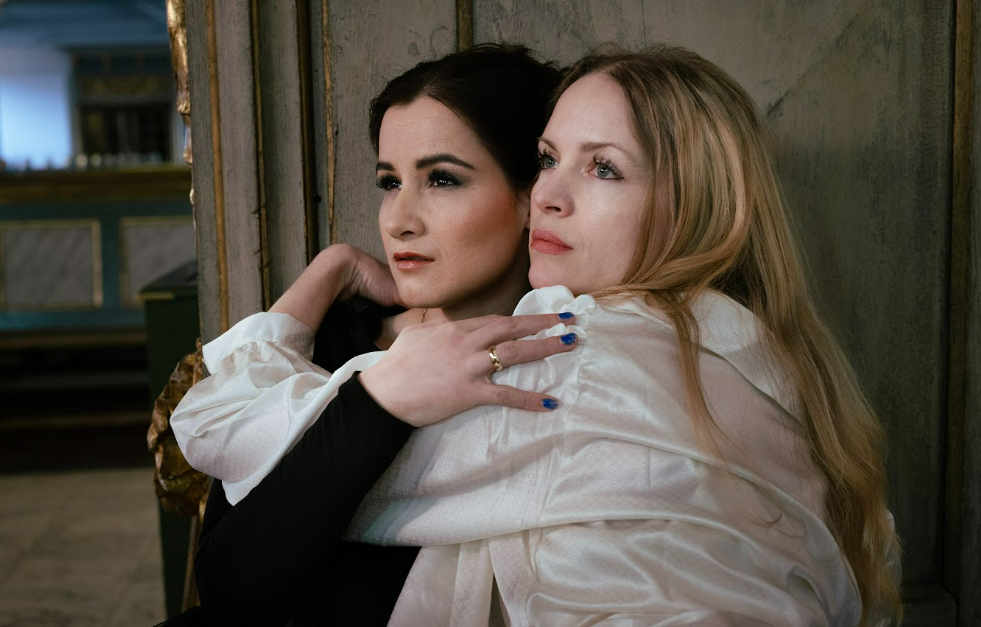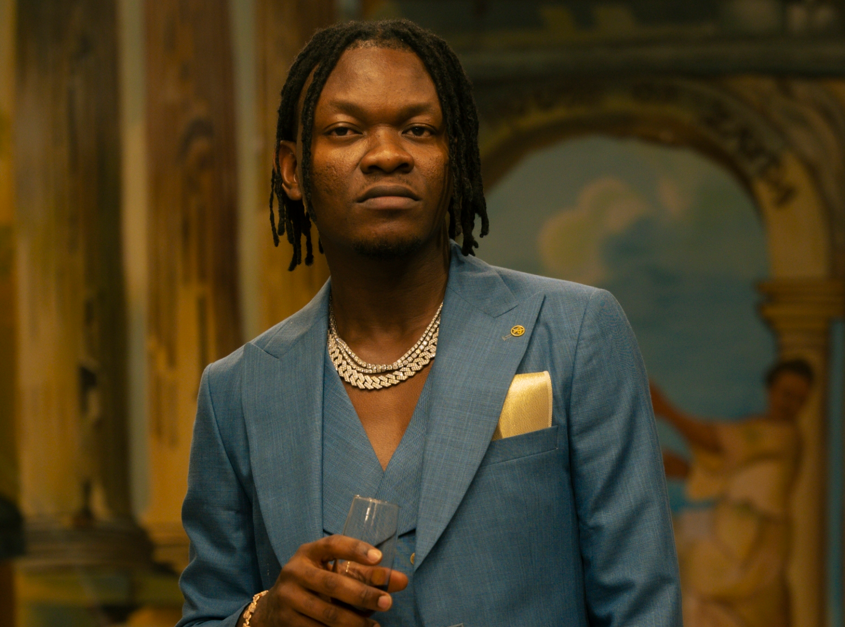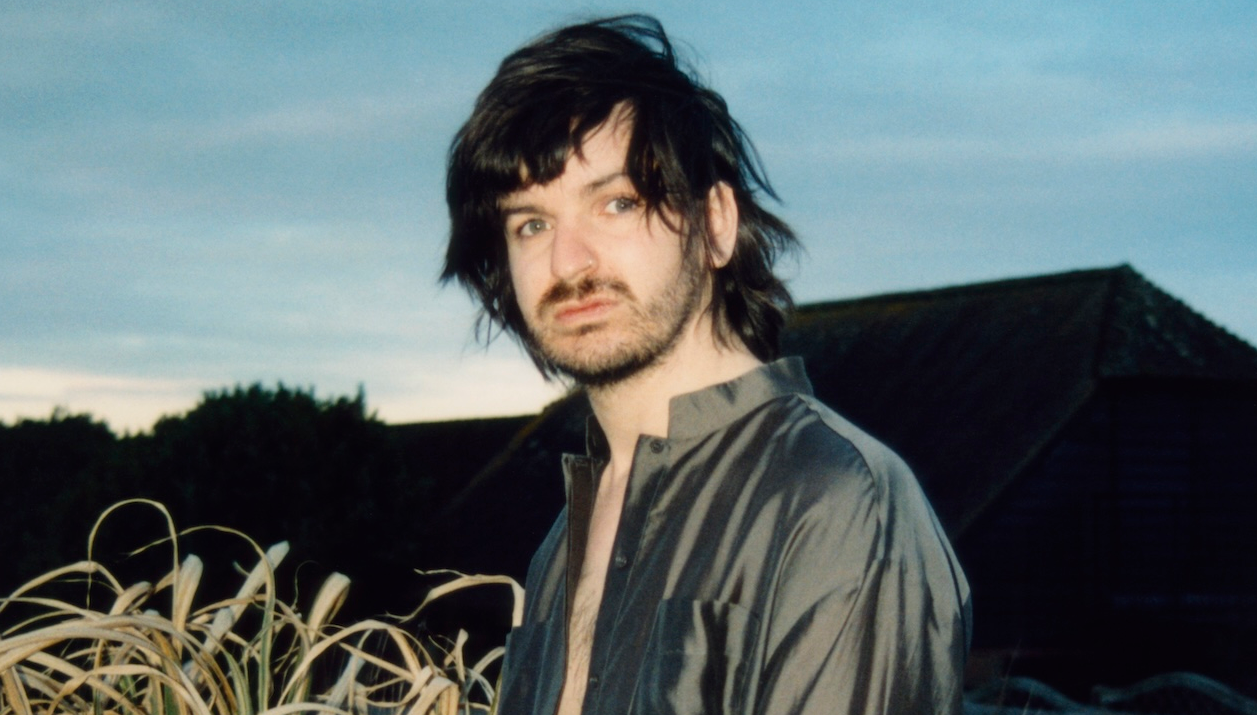
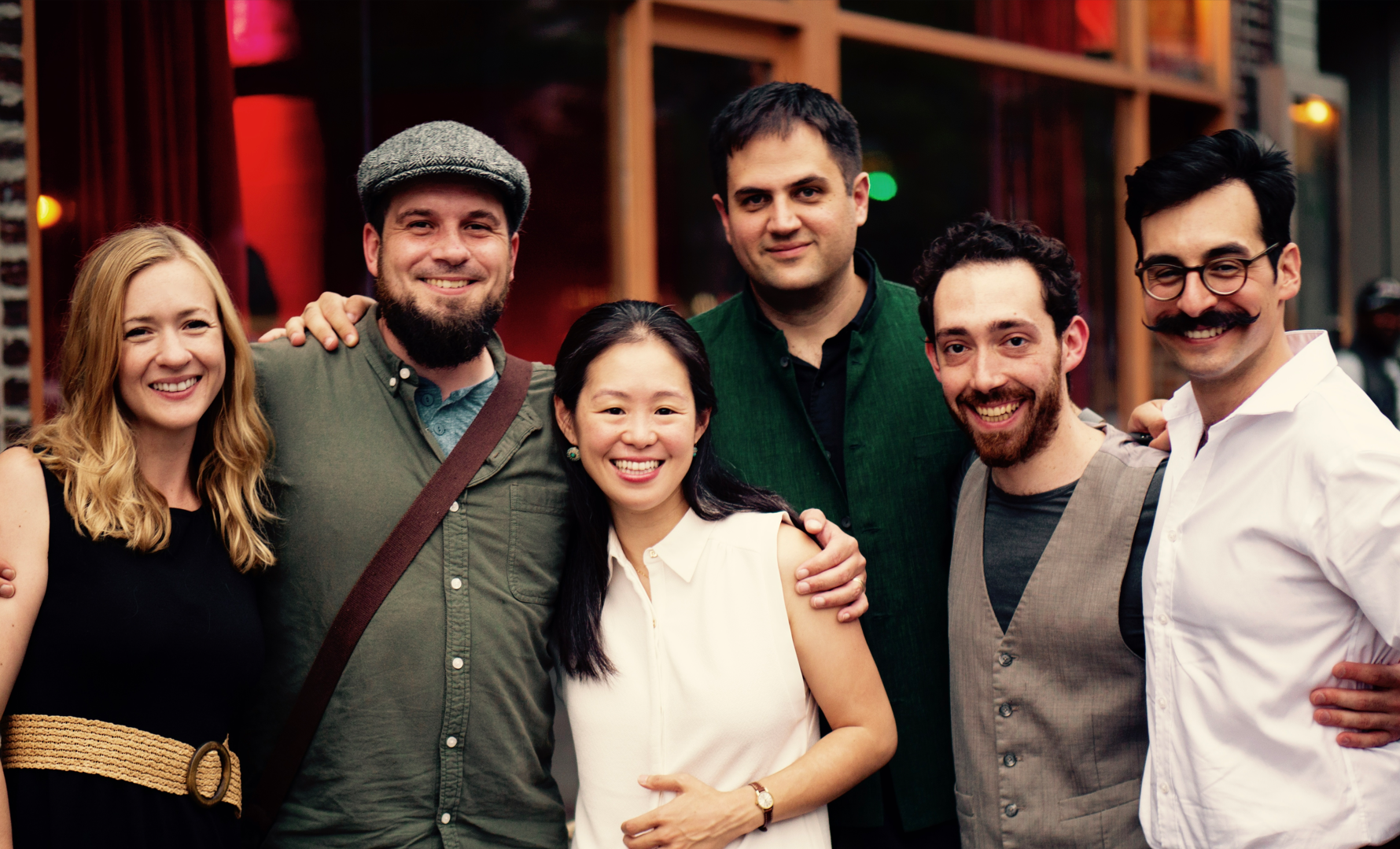
Running for barely twenty minutes, The Carlisle Sessions by Floyds Row uses its compact scale to make every entrance, pause and change of register carry audible consequence. The six musicians work with firm outlines: plucked strings establish motion, violin sustains and ornaments a phrase, accordion fills the harmony, and bass or percussion decides how heavily the music lands. Five pieces provide ample room for several temperaments while keeping the EP concentrated. Its world forms quickly through the physical character of the playing, with wood, gut, metal and breath remaining present in the sound.
Whenever Emily Noël enters, her soprano brings a precise narrative focus to music already rich with instrumental activity. Clear diction allows the stories to move at a natural pace, while her held notes create openings for the ensemble to comment around the text. In Henry Martin and Jackaroe, a single vocal phrase may begin with composure and gather urgency from the accompaniment before reaching its cadence. Noël channels theatrical force through careful control of emphasis, reserving her strongest projection for lines that can carry it. Her formal tone also suits the old ballad language, allowing dramatic events to arrive with a cool, almost reportorial clarity.
Much of the record’s energy comes from George Lernis, whose percussion shapes direction through compact accents and changes in density. He can turn a flowing passage into a dance with a few carefully placed strikes, then leave enough room for the string attack to define the next measure. Andrew Arceci’s upright bass and viola da gamba supply depth with distinct personalities: the bass anchors motion, while the gamba adds a darker bowed grain that blends naturally with the violin. Their combined work gives the brighter instruments a firm setting and extends the emotional balance into the lower range.

The pairing of Asako Takeuchi’s violin with George Lykogiannis’s accordion supplies the EP’s richest colour, since each instrument sustains sound through a different kind of motion. Takeuchi can sharpen a melodic contour with a narrow, directed tone, while Lykogiannis expands the harmony through the movement of the bellows. Their lines sometimes meet closely and sometimes occupy separate levels of the arrangement.
Chris Ferebee’s cittern, guitar and mandolin cut through those sustained textures with clean, dry attacks. The contrast remains practical and audible: bowed and keyed tones create continuity, while the plucked strings mark the route through each phrase.
Placing two instrumental selections among three sung narratives gives the EP a convincing internal rhythm. George Washington’s Favorite Cotillion compresses its ideas into a brisk opening statement, making economy part of its charm. Maiden Lane / Kettle Drum offers a wider field for development as recurring patterns acquire fresh accents and instrumental colours.
Both pieces release the listener from following names, actions and plot, directing attention toward pulse and ensemble timing. The shift also refreshes the vocal material around them, since the return of language carries greater definition after several minutes governed by melody and rhythm.
Captured at Possum Hall in June 2018, the sessions present the musicians with enough separation for individual timbres to retain their edges. The plucked instruments arrive with a woody snap, the accordion holds a broad middle register, and the bass resonates beneath the group with an acoustic depth suited to the room. Small traces of physical performance remain audible in the beginnings and endings of notes. The soprano occasionally sits very high in the balance during fuller passages, drawing attention away from attractive movement in the middle register. A touch of added presence around the viola da gamba and accordion would bring those sections closer to the EP’s most satisfying proportions.
During the sung material, several vocal cadences receive similar supporting gestures, creating the EP’s clearest and most persistent limitation. The violin often rises around the end of a line while accordion reinforces the harmonic landing, and that combination soon becomes familiar. A few leaner responses from either instrument would allow the text to carry a sharper aftertaste before the next phrase begins. The compact duration keeps this habit from dominating the record, though its recurrence reduces surprise inside songs already guided by established narratives. Lernis often provides the freshest interruption, using a restrained accent to redirect the ear before another melodic cycle begins.
Hearing Ferebee’s newly written music for The Song of Robin Hood & his Huntes-men beside the traditional selections reveals how thoroughly the ensemble has developed a common language. The anonymous text comes from an 1865 collection, while the setting belongs to the present group, and the melody settles comfortably beside the older material. Its broad contour supports Noël’s delivery and creates generous space for the full ensemble. The arrangement grows in scale with purpose, allowing the final performance to carry the weight of a conclusion while preserving the clarity that defines the earlier ballads.
By the closing cadence, the strongest impression belongs to the musicians’ curiosity about one another and the concentration sustaining their exchanges. Every performance contains the alertness of people hearing a familiar phrase develop under six sets of hands.
The Carlisle Sessions carries scholarship, technique and historical material lightly, placing the listener close to the instant when a written or inherited melody becomes a group decision. Its twenty minutes pass quickly; the ensemble’s personality continues long after the final resonance fades.