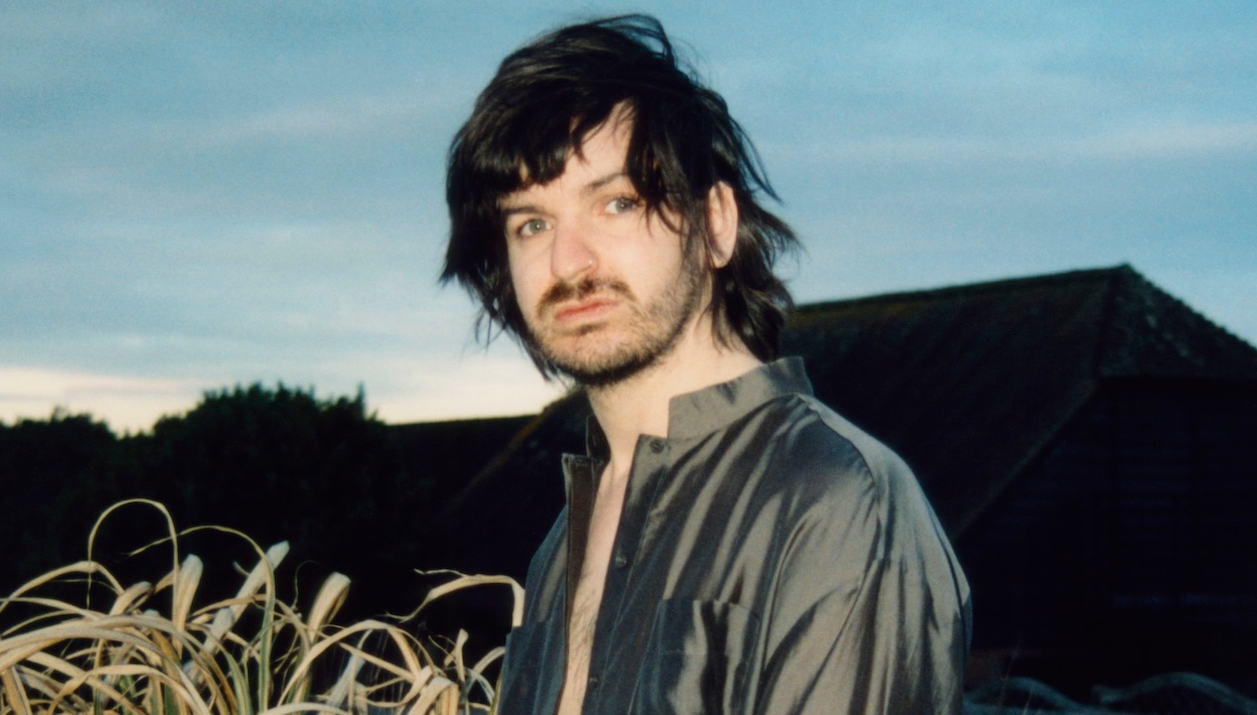

Milyam (the LA independent singer songwriter working in dark R&B and art rap) is very much in control of her delivery on “Dream” and the piece is full of pointed accusations. It’s a very confrontational track. Over delicate keys and a thick bass line she’s talking about manipulation and she does so with the calm of someone who’s thought about it all. The anger is well and truly in the sentences.
The opening keys are very much in the music box camp, a suitably fragile thing for a piece about distorted perceptions and control. There’s a nice counterpoint in the bass which is able to push against that. Light percussion keeps the beat going and the phrasing is very much on show. That balance is what gives “Dream” its particular tension really, the instruments provide a very attractive surface and the words are always drawing you back to the damage beneath.
Milyam’s measured delivery is key here. The accusations can easily become wearisome if every line is delivered with the full force of the speaker. Her more restrained approach allows the listener time to take it all in, particularly as the piece moves from a consideration of the other person’s actions to a decision about what to do next. The pauses have their own weight. You have time to absorb each statement before the next one comes.
For me the most interesting bit is when she starts talking about her own future. “I bring my own light” is a perfectly sensible thing to say after the earlier confrontation. The ambition then becomes quite straightforward: “I’ll be rich and famous”. That line of course introduces a bit of tension into the recovery story. Success, acclaim and a dramatic change in circumstances all enter the picture alongside the emotional freedom. The hurt person can want all of that.
There’s a certain awkwardness in hearing such a forthright ambition in a track that’s otherwise so controlled and atmospheric. It breaks the flow, it disrupts the elegance. I like that disruption because it puts a real person in the track, a person who’s angry, who’s hopeful and who’s probably already imagining the satisfaction of being seen to be doing well. That’s what gives the track character.
“Dream” works best when its slick production and confrontational writing are in opposition to each other. The restraint gives the accusations weight, the bass provides the pressure and the little keyboard flourishes lend an unsettling sweetness. Milyam keeps all of that in balance so that the song’s move towards self-possession comes through in the writing. By the end she’s stopped looking at the person she’s addressing and is looking at the life she wants to live. That’s where the emotional clarity of the song comes from.
*This review was made possible by MusoSoup