
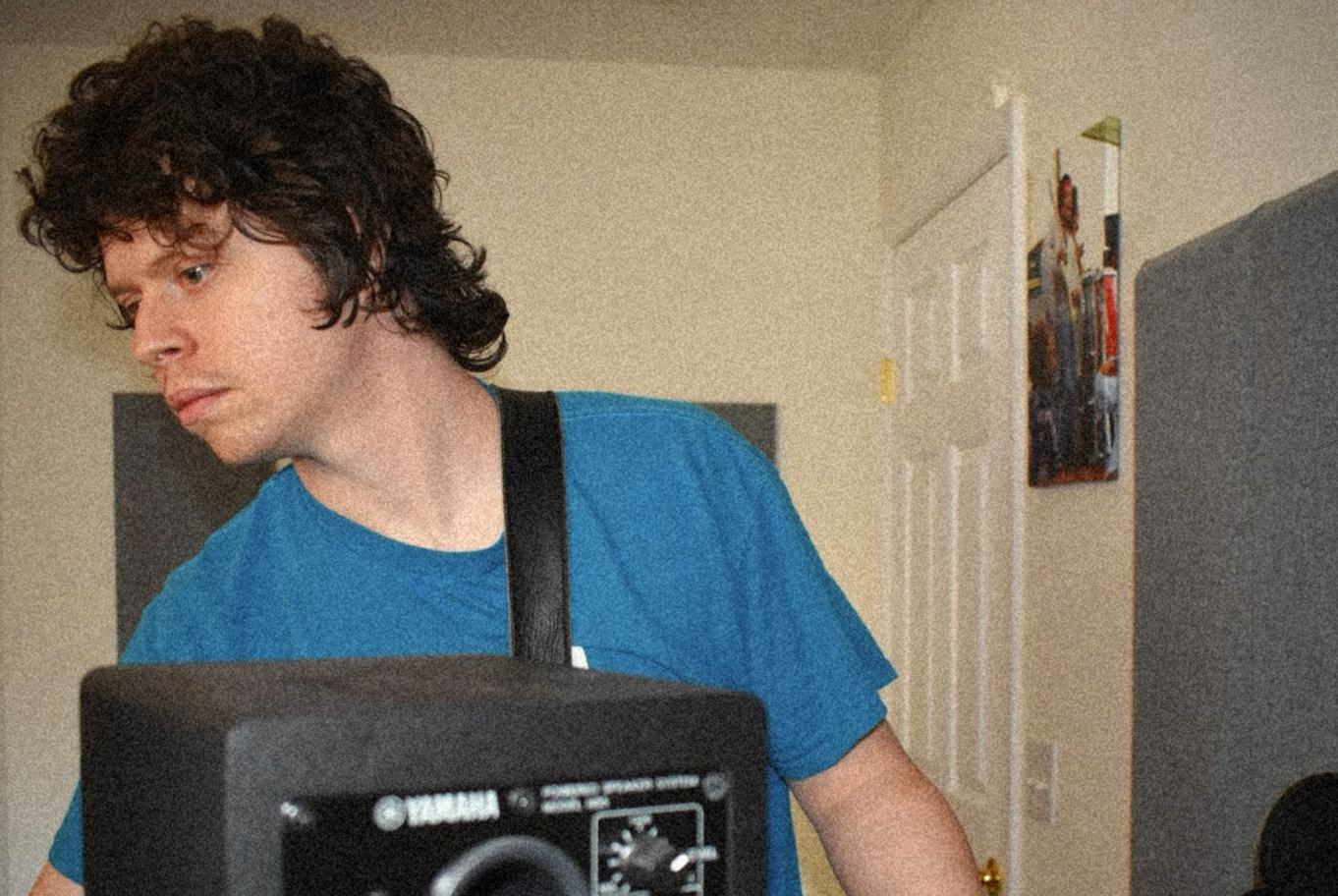
I tend to grow suspicious when a home studio becomes the headline of an album. The phrase can excuse unfinished decisions or lend ordinary recordings an instant mythology of solitude. On Tainted, the detail matters for a practical reason: Geoffrey Lewis wrote, recorded and produced the record himself, while custom-built analog rhythm-machine beats supply its pulse. You can hear a musician making private decisions in real time, allowing a guitar phrase to linger because its grain interests him, or letting a beat hold its position until the surrounding mood changes. The room stays present through scale and proximity. Its proportions suit a listener sitting a few feet away.
During my first listen, the guitars claimed most of my attention. They curl around the vocal, soften at the edges and occasionally arrive with a flash of brightness that changes the emotional temperature of a passage. The rhythm machine became clearer later. Its patterns provide a firm, slightly impersonal surface beneath playing that remains loose and responsive. A beat can remain fixed while the guitar changes the emotional reading around it.
His vocal carries a related tension. Lewis sings with a measured, floating quality, keeping strong emotion near the surface while preserving the intimacy of the recording. A larger performance would crowd these arrangements. He chooses understatement, and the choice lets small alterations in phrasing register. I occasionally wanted the voice pushed further forward, especially when layers of guitar gathered around it, yet its slight distance suits the private scale of his writing. The denser sections drew my attention towards individual vocal lines, each one delivered with careful concentration.
The opening pairing of Tainted and Living Where We Want to Be establishes that language with considerable patience. The title song moves through a ragged ballad shape, its vocal and guitar parts drifting across a beat that keeps quietly adjusting the floor beneath them. Living Where We Want to Be begins from gentler guitar figures and gradually thickens, though both songs occupy a similar middle distance. Here the album could use a firmer interruption in pace or texture. Their shared haze softens the distinction between them, and the early sequence briefly asks atmosphere to carry much of the movement.
Then Paranoid raises the volume and alters the terms of the record. This was the song that caught me quickest, partly because its sharper effects and increased momentum reveal how effective Lewis can be when pressure enters the arrangement. The custom beat dictates the shape of the verse, while the guitars respond with bursts of colour and a harder rhythmic edge. Excitement and unease occupy the same few minutes, giving the song a directness that feels earned.
My preference shifted during a later listen. Old Folks’ Home began to feel central, although it makes its case quietly. Its slow movement allows emotion to accumulate through phrasing and tone, with a faint buoyancy passing underneath the restraint. Lewis handles this suspended feeling well. He gives the listener enough melodic shape to follow while leaving room for the arrangement to remain unsettled. The song also clarified the value of his intricate guitar work for me. Detail arrives through touch, spacing and gradual alterations to a figure. Tiny changes that passed quietly during the first listen became some of its most persuasive moments.
By the closing stretch, Tuesday introduces warmth and a subtle vintage tint, creating the record’s most open and companionable few minutes. Some listeners may find it overly gentle after the tension elsewhere; for me, its ease has purpose because Lewis keeps the performance plain and emotionally alert. Stuck in a Loop begins from a similarly calm position before its beat grows more animated and electronic effects bring tension back into the frame. The escalation lasts briefly. That restraint surprised me. A longer final surge might have supplied a grander ending, though grandeur belongs to a different version of this record. Lewis closes by returning the music to the dimensions of the room where it began.
I finished Tainted with a clearer sense of Lewis’s taste than the full extent of his range, and the distinction matters. The album establishes what he values: close perspectives, restrained performances and melodies carrying a quiet trace of instability. Its strongest songs suggest two productive directions. Paranoid sharpens the pressure; Old Folks’ Home lets it accumulate patiently. Both remain recognisably his. I am curious about how this material might expand in a live room, especially once other musicians begin responding to its unusual rhythmic foundations. As a self-contained record, though, Tainted already presents a convincing artistic character: intimate experimental indie rock shaped by a musician who trusts texture, timing and the expressive possibilities of a machine built to obey, yet given enough space to develop a personality of its own.