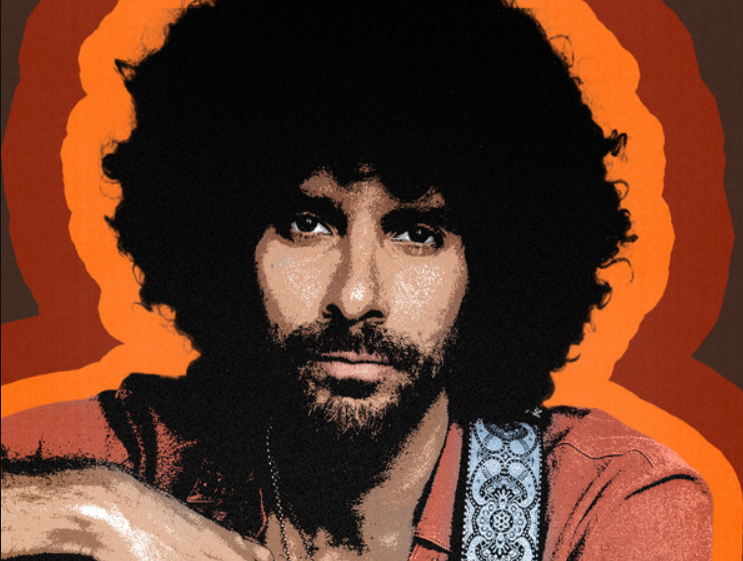
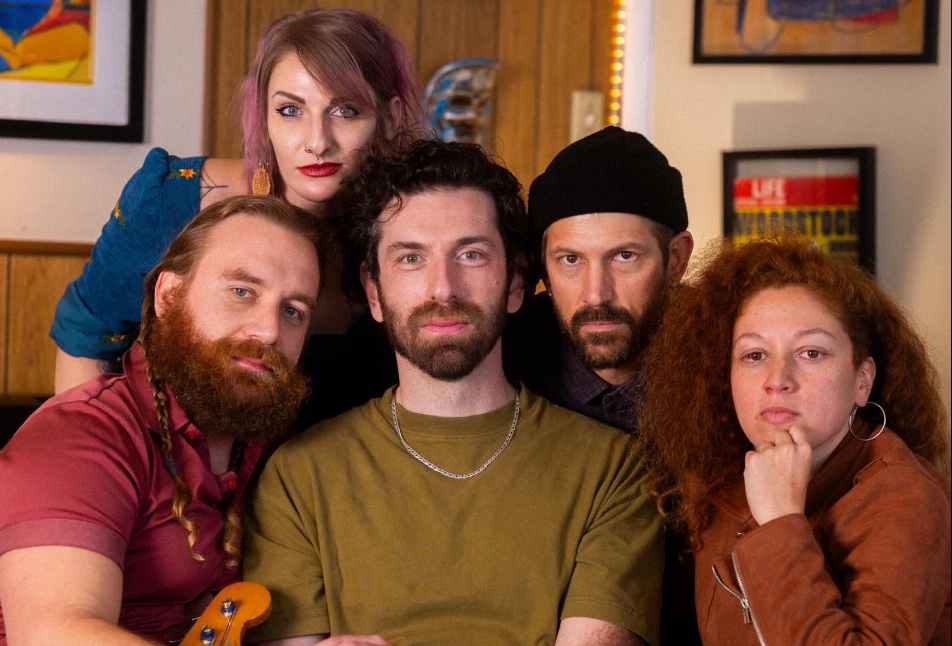
Bunny X have spent over a decade treating the 1980s as a language they can continue speaking in the present, and their third album arrives at the point where fluency creates a new problem: what exactly should that language say now? With Abigail Gordon and Jenny Bates at the centre of the New York duo’s current line-up, Love on a High Floor moves past teenage longing and puts adult desire inside offices, taxis, late bars and expensive rooms above Manhattan.
The setting matters because corporate success and romance use remarkably similar sales pitches. Both promise access, recognition and a life visible from a better angle. Bunny X understand the attraction, perhaps a little too well, which gives the album its most productive conflict.
The term “Officewave” made me sceptical. It sounded clever enough for a tote bag and thin enough for an entire record. Yet Bunny X use it to build a coherent social setting where affection becomes tangled with rank, money and proximity. A crush beside a coffee machine carries the thrill of possibility, while a penthouse view turns intimacy into another symbol of arrival. The duo recognise that glamour has always been part of synthpop’s appeal, so they allow the fantasy to remain seductive even while its emotional cost begins to surface. I kept waiting for the album to smash the executive desk. Instead, it sits behind it, tests the leather chair, enjoys the view and gradually wonders who paid for all this. That choice will divide listeners, and it should. Musically, Love on a High Floor commits fully to polished retro-pop: bright arpeggios, firm electronic drums, wide choruses and guitar solos placed exactly where the skyline needs another flash. Gordon and Bates sing with composure, keeping the larger emotions inside clean melodic lines while drama gathers around the edges. Their restraint suits characters trained to stay presentable during working hours. Even desire arrives properly dressed. At times the finish becomes so smooth that anxiety struggles to leave a mark, and several songs resolve their tension through another immaculate chorus. I wanted a few synths to sound cheaper, a vocal to fray, a beat to lose its professional manners. Then I wondered whether that desire missed the point. Corporate fantasy depends on spotless surfaces; the sterility belongs to the story.
Several pieces began as instrumentals by long-time collaborators, with Bunny X later adding lyrics, vocal structures and a place for each track inside this album. That method could have produced a compilation held together by wardrobe and artwork, yet the recurring themes and vocal identity give the record genuine continuity. The seams remain audible in shifts of tempo and emphasis, which I prefer to a perfectly uniform hour of tasteful synthwave. They also expose a curious feature of Bunny X’s authorship: the duo often enters an existing musical space and changes its social meaning. A nostalgic instrumental becomes an office confession, a luxury cruise becomes emotional dependence, and a dance track acquires a character with rent, ambition and somebody waiting at home. The adaptation itself mirrors the album’s characters, who inherit systems built by other people and try to construct private lives inside them.
The album’s sharpest stretch comes when pleasure and consequence begin sharing the same polished surface. After Hours treats release from workplace decorum as romantic freedom, while Business Trip looks at ambition from the side of the person carrying the relationship alone. Placing those moods within the same record keeps the office setting richer than pure costume, though I still wanted the darker implications to spread further. The title track embraces height, visibility and luxury with such conviction that the satire almost disappears. Satire occupies only part of the design. Bunny X genuinely love the fantasy and distrust its price at the same time. That emotional inconsistency has the honesty of lived compromise, especially in pop music built from a decade that sold aspiration with extraordinary skill. For all its talk of careers and status, Love on a High Floor keeps returning to vulnerability as the real risk. Promotion, travel and money can be pursued through plans; another person requires faith in variables. The characters flirt in controlled environments, then spend the album discovering how quickly control dissolves once desire leaves the building. This gives the record a sly relationship with its production. The sound remains organised while the people inside it become increasingly exposed. On my first listen, that neatness made several songs merge into one long evening of chrome and perfume. Later plays revealed a deliberate emotional progression beneath the uniform surface, though the middle still carries a few passages where atmosphere outranks distinction.
What makes this album worth arguing about is the ease with which Bunny X turn criticism into temptation. The wealth looks good, the melodies shine, the nightlife promises escape, and even disappointment arrives in flattering light. Listeners seeking a savage account of American ambition may find the blade too decorative. I did, occasionally. Yet a harsher record would let us stand safely outside the fantasy and congratulate ourselves for recognising the trap. Love on a High Floor places us inside the attraction and leaves the moral accounting until morning. Its strongest achievement lies in that compromised position: Bunny X understand that people can recognise the machinery, hear it grinding and still want the corner office. The album leaves fingerprints on the glass, then admires the city through them.
*This review was made possible by SubmitHub
![[FRESH EP] Nogonomas! – WORK | Dusty AmericanaRecorded Live](https://soundvilleblog.com/wp-content/uploads/2026/08/Screenshot-2026-08-29-131448.png)