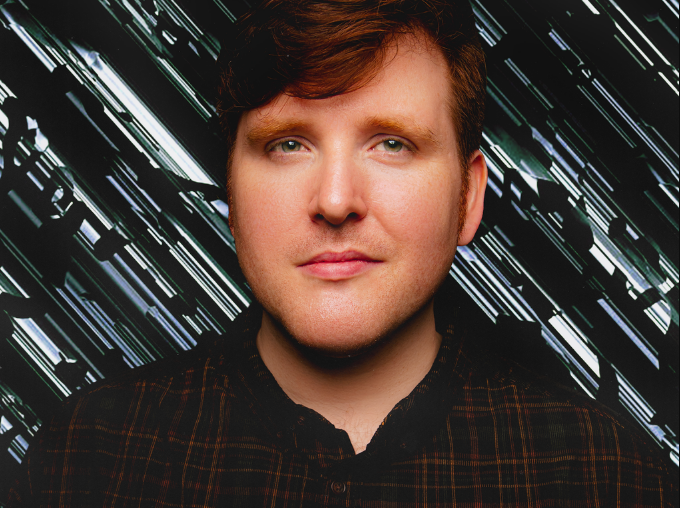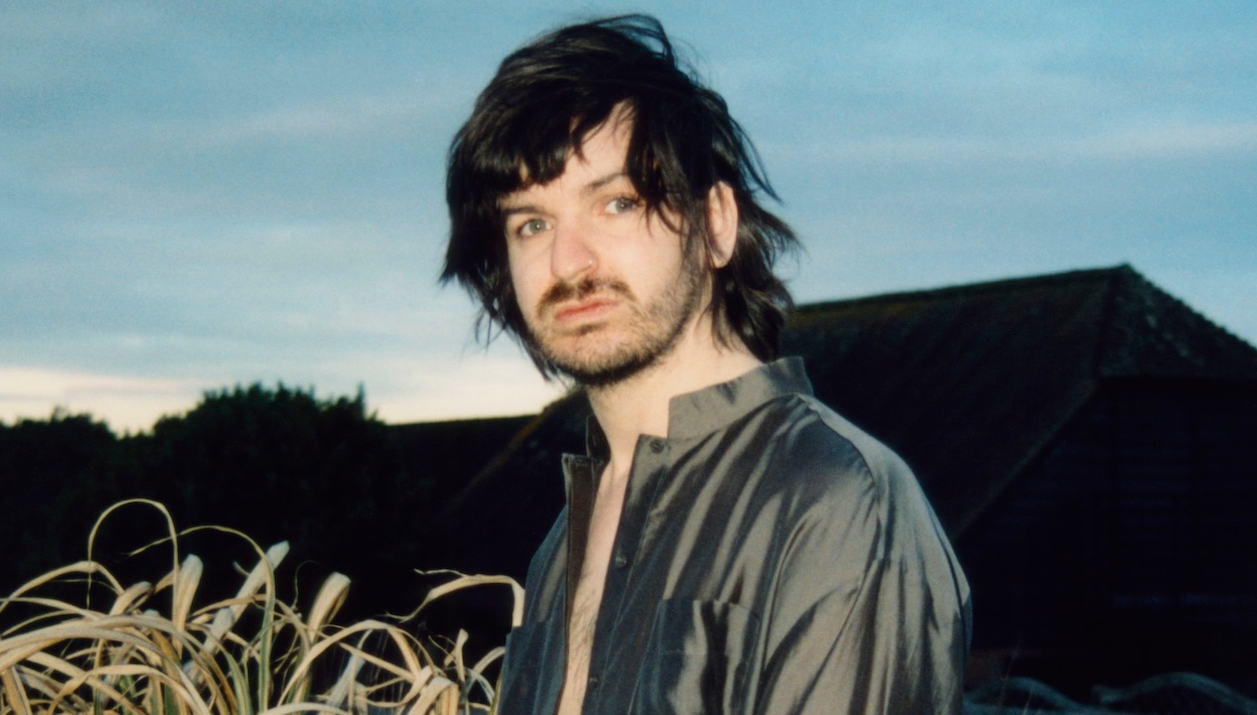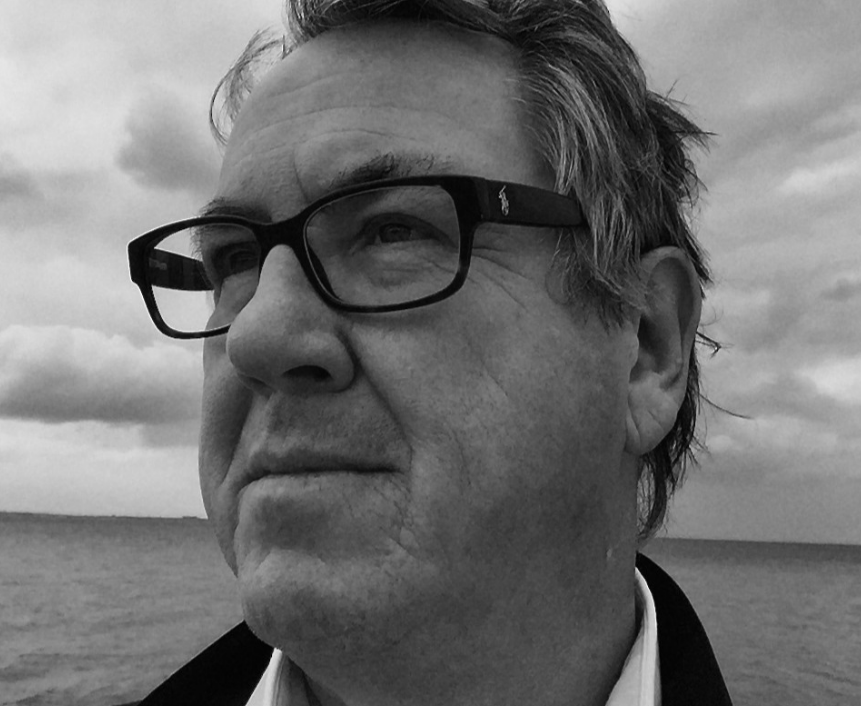

An early demo of You Wrote Hallelujah prompted Ferdinand Rennie to consider the emotional experience behind songs that remain with audiences across generations. Written by Michael Andrew Storm and Meg McAndrew, the single connects the faith of Leonard Cohen’s Hallelujah with the remorse and redemption surrounding John Newton’s Amazing Grace. Rennie brought his own history to the recording: he released a version of Hallelujah in 2014 and later discovered that Cohen followed him on social media.
Working with longtime collaborator Alan Vukelic, he developed a classic arrangement that gave his voice room to move between powerful belting and intimate restraint. The conversation also reaches beyond the studio, covering his experience on Britain’s Got Talent, his approach to music videos, the creative peace he found in Dunoon and the stage knowledge he would bring to Eurovision today.
Ferdinand, it’s wonderful to speak with you. “You Wrote Hallelujah” begins with the idea that every enduring song carries part of its writer’s life, bringing Leonard Cohen’s relationship with faith together with John Newton’s story of remorse and redemption. Michael Andrew Storm and Meg McAndrew wrote the track, while you approached the recording as both vocalist and co-producer. When you first encountered their lyric, which passage opened a personal route into the song for you, and how did that discovery shape your vocal approach in the studio?
THANKS VERY MUCH FOR GIVING ME THIS TO TALK ABOUT MY NEW SONG ! When Andrew Michael Storm sent me the first demo, the idea with the lyrics finally sparked a debate in me : why are certain profound songs written, what does a songwriter experience when they pour their heart and soul into writing lyrics and songs? That really touched me, and I found it incredibly exciting to work with the whole team (Meg McAndrew is a pseudonym, and only I know who is behind it) to develop the song into what it is today. I released my own version of Leonard Cohen’s Hallelujah in 2014, and back then, Leonard Cohen even followed me on social media. What an honour that was for me!
Cohen and Newton arrived at faith from very different places, yet both left songs that people now sing far beyond their original settings. As you worked through the lyric, where did those two stories genuinely meet for you, and where did you want their individual histories to remain distinct?
Both certainly wrote their songs when they were perhaps in less than happy circumstances – this is what they both had in common . The big difference – Leonard Cohen thankfully didn’t live through the era of slavery and didn’t have to grapple with the deep remorse that James Newton did with Amazing Grace.
“Hallelujah” and “Amazing Grace” already carry generations of personal associations. When listeners bring that history into your single, which part of the arrangement welcomes those associations, and which part guides them toward the new song?
It’s very important to me that everyone who likes the song picks out their own personal favourite part, whether it’s the lyrics, the arrangement, or simply the mood…
Take me into the first session with Alan Vukelic. What did each of you hear at the centre of the song, and did one of Alan’s production ideas lead you toward a vocal choice that surprised you?
Alan and I have been working together for many years, which is a lot of fun. We’re always developing new ideas for new songs, and I usually come up with the ideas about where I, as the performer, want the song to go. When I first heard the demo, I knew we should arrange and produce it in a classic style. Alan and I always do an interesting job of implementing that. A certain magic always happens in the studio and as Alan knows me so well he knows when to push me out of my comfort zone sometimes.
Often I only get ideas during the recording about how I should sing certain parts of the song, whether I should use big belting sections or hold back and sing very restrainedly; this song brought out everything in me…..
Years of projecting a character across a theatre, a studio microphone brings every breath and shift in tone close to the listener. Which stage instincts helped you tell this story, and which ones did you scale down for the intimacy of the recording?
When you’re on stage, you naturally have to portray and embody the role, and perhaps some of the interpretive idea gets lost because everything has to be in harmony with the production. When I’m in the studio in front of the microphone, I can play the role, that is, convey the content of the song, without the audience’s eyes being on me. That’s how I really enjoy bringing the portrayal of a role to life with my voice.
Running Fabscots Music gives you direct control over how a song develops and reaches the public. Which decision on this release benefited most from that freedom, and where did carrying the responsibility yourself create the greatest pressure?
The pressure is actually the same with every new song I release. You never know where the journey will lead, and it’s important for me, after being so involved in production, songwriting, and distribution, to always find the right team and theme for marketing the new song.
I’d love to return to the moment of your Britain’s Got Talent audition. The producers requested an uptempo arrangement, the technical conditions became difficult, and the audience and judging panel gave sharply different responses. Once the cameras were gone, which reaction stayed with you, and did it influence a specific decision about your music afterward?
It all happened so fast, after waiting for hours for my performance at the Palladium…it’s like a movie…I only remember later being so uncomfortable and standing a little outside myself, not knowing for sure if I even wanted to be on stage again…but that has changed a lot and today I enjoy singing even more than ever before….
European television introduced your performances to audiences early in your career; decades later, an online video brought television producers back to you. Has that reversal changed which performances you choose to film and share, or the amount of spontaneity you allow the camera to capture?
Still the same. Perhaps it has to do with my generation, but when I make a music video, it’s important to me to put the song and content in the forefront and of course to be credible as possible as a performer.
Settling on Scotland’s west coast placed a different landscape and pace around your work. Has life in Dunoon entered your music through a specific recording decision, lyric or vocal mood, and when did you first recognise it?
Over 21 years ago we moved to Dunoon. Scottish music culture has always inspired me. Living here has given me the peace I need to be creative and focus on my work. I also wrote an anthem to our Scottish homeland, “Our Land,” together with the songwriter and radio host from our local Radio station, Victor Thomas.
Eurovision has remained part of the story, from Austria’s national selection to your time touring with Vicky Leandros. If you had three minutes on that stage now, which part of your musical history would take centre stage, and what would the Ferdinand of today do differently from the performer who first entered the selection?
Of course, I’ve accumulated a great deal of stage experience over the decades. Back then, I applied, then made it to the shortlist, and then survived several more rounds of auditions before securing my first TV appearance where I finished fifth out of 360 applicants – I’m still very proud of that!
I was very young and naive at the time and trusted that the TV professionals would bring out the best in me – now I know myself everything that I am capable of and know what has to be packed into those three minutes.